Shelter & Outreach
Emergency Shelter
Homeless Prevention Program
Homeless Outreach Program
MCOU
Engaged Community Guides
Emergency Shelter
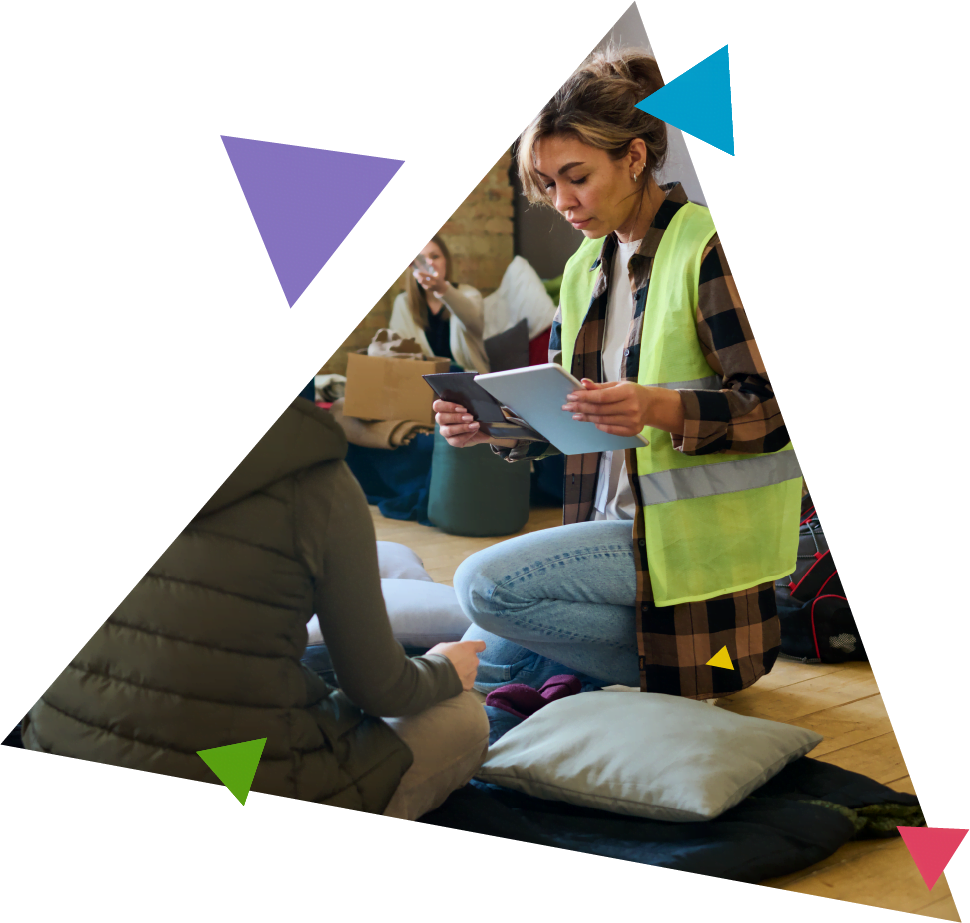
The MCSS Emergency Shelter offers safe accommodation as well as basic nutrition and hygiene facilities for those experiencing homelessness.
With support from BC Housing, our facility- comprising of 57 beds, washrooms, showers and laundry- offers more than just a roof over the head.
Our services are tailored to help people break free from the cycle of homelessness. From advocacy and support to access to essential services like treatment, employment assistance, mental health care, and more, we guide our people on their journey toward stability. People come to us from various avenues: self-treatment/recovery programs, crisis lines, extreme weather situations, and referrals.

Homeless Prevention
Program (HPP)
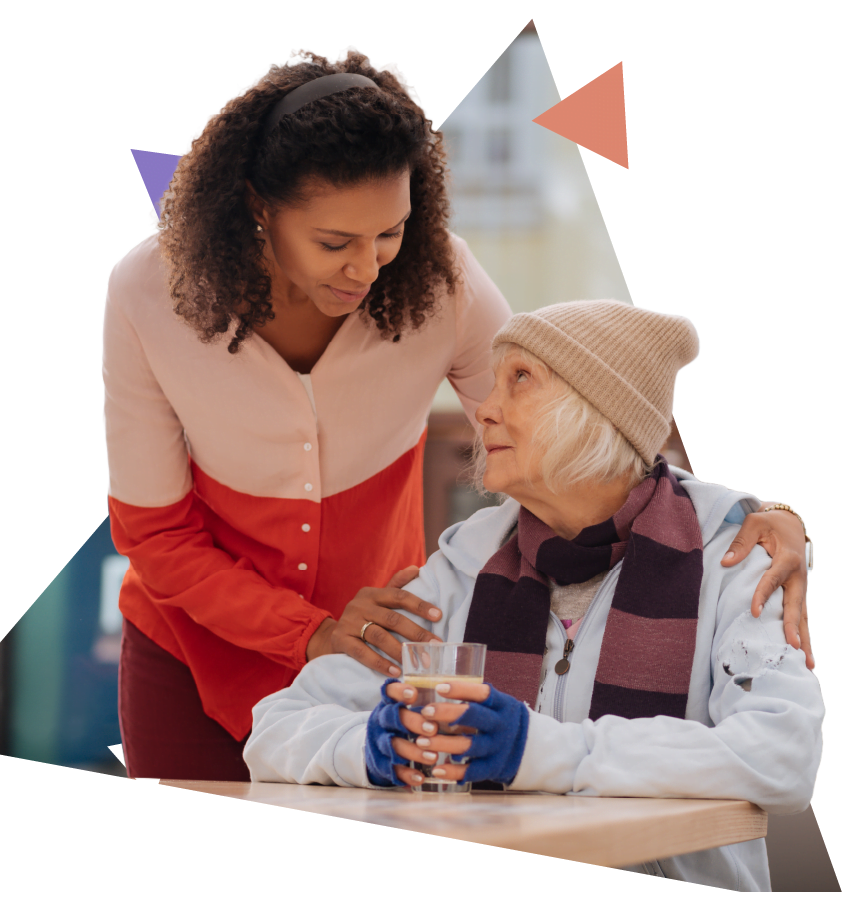
Our dedicated outreach workers are here to serve a diverse range of individuals, including Mission youth at risk, women fleeing violence, individuals transitioning from corrections or hospitals, and members of the Aboriginal community. Whether it’s finding housing, navigating rental processes, or accessing essential support services, our team is committed to ensuring that everyone we serve has the resources they need to thrive.
While our primary focus is on providing rental supplements, we understand that housing-related challenges come in many forms. That’s why our outreach workers are ready and willing to assist with any housing-related issue that arises, ensuring that each person we support receives personalized, comprehensive care.
Homeless Outreach
Program (HOP)
MCSS Outreach staff connect directly with people experiencing homelessness in order to bridge the gaps and raise awareness of the wide range of services that are available throughout Mission.
Through networking, advocacy, and collaboration with partners such as the City of Mission, RCMP, and other service providers, we work tirelessly to support our community members on their journey towards stability and security.
MOBILE COMMUNITY OUTREACH UNIT
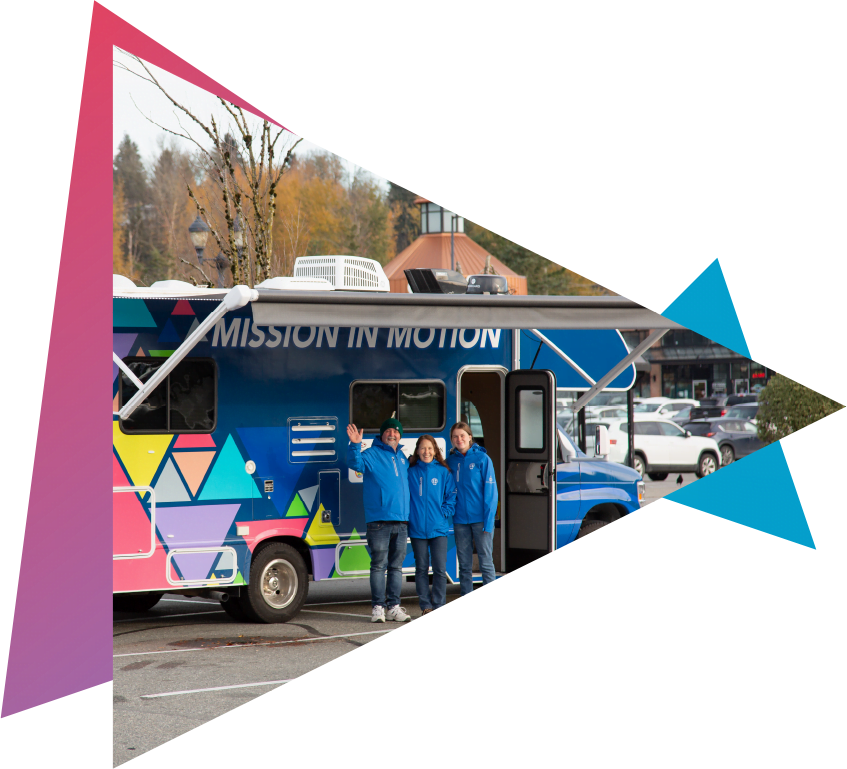
MCSS proudly operates the “Mission in Motion” Mobile Community Outreach Unit (MCOU) donated by the City of Mission in the summer of 2023. This innovative initiative is part of our ongoing commitment to reach those who may face barriers to accessing healthcare services.
Our state-of-the-art MCOU/Medical RV is a fully equipped healthcare facility on wheels designed to ensure that healthcare is accessible to everyone, promoting wellness and enhancing the overall health of our community. Our compassionate team of Physicians and Outreach Workers is committed to delivering comprehensive and quality healthcare directly to the heart of our community.
Engaged Community Guides (ECG)
The Engaged Community Guide (ECG) Program is a legacy of the Mission Community Services Society (MCSS), and the City of Mission, first piloted in 2019. Then, as now, the purpose of the program was to offer opportunities for community-members who were also clients of the MCSS Housing and Outreach Department, by opening pathways to voluntarily assist in the uplift of their local neighborhoods. The ECG program, then, sets itself the goals of offering community-members who are currently, or have historically, experienced precarious living, housing or income, to receive life-skills training, help their community, and build relationships.
ECG Ambassadors are hard-working, thoughtful, and friendly representatives of the MCSS who help those in need in the various neighborhoods of Mission, BC. They are also important representatives of their neighborhoods and the MCSS, faces who can be trusted and relied upon, and are recognized in the city for their contributions.
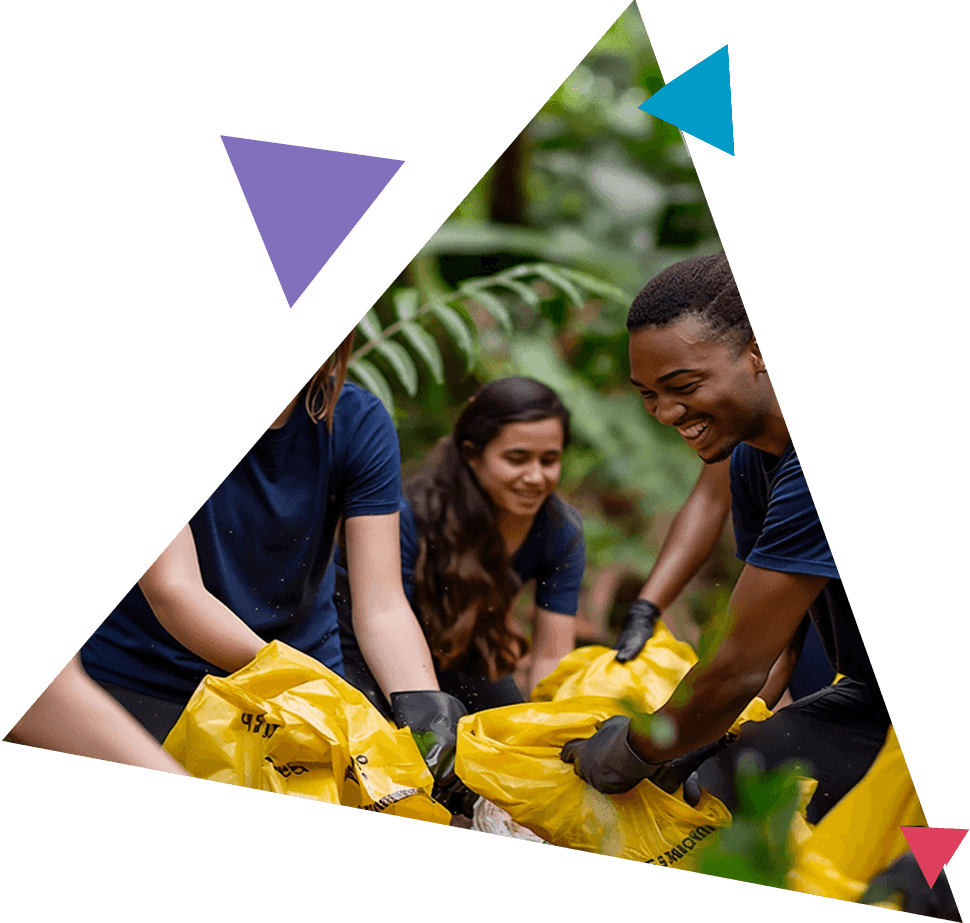
ECG Ambassadors can be found walking the streets of Mission with their distinctive blue jackets. You will see them directing people to crucial social services and public resources; greeting those they encounter in the community, amongst businesses and neighbors; keeping the city’s streets, sidewalks, and other outdoor areas clean; lending a helping hand wherever they can; responding to urgent situations where needed and contacting relevant emergency services.
Ambassadors also complete a thorough training program before they begin, including instruction in Naloxone administration and harm reduction, communication and de-escalation, community-safety and personal safety, walking-routes and tours, reports, organization and documentation, and life skills training. ECG’s who complete the program will receive a certificate of completion, and regular stipends for completing shifts.
Thank you to our Generous Supporters